

The coaches look at every young player to prepare for the Rugby World Cup 2027 cycle. They want guys who can run fast and hit hard. They want a fast team for the future. Many old stars are gone. The team needs more speed. They want to beat England Vs Wales rivals soon.
Rugby fans are searching for thrilling games in Australia during the Rugby World Cup. Buy Rugby World Cup 2027 Tickets in advance on Xchangetickets.com and explore RWC 2027 tickets whenever you like. Many supporters are currently looking each day for reliable choices and fast entry before kickoff begins.

Every game helps them learn. They look at Wales Vs Tonga matches for ideas. They also study the Wales Vs Zimbabwe style. A new era begins for the red jersey. The coaches look at every young player. They want guys who can run fast and hit hard. Success at the Rugby World Cup 2027 requires strong plans.
This big event is the goal for everyone. The staff works with the RWC 2027 group every day. They want to win the Rugby World Cup one day. Australia will host the great Rugby World Cup later. Planning starts years before the first game. Success starts with hard work on the grass. The players must be fit for the heat.
They practice their skills in every single session. Every drill makes the team much better. They want to be the best in the world soon. Coaches teach them how to win big games. The team will travel across the whole globe. They will be ready for any challenge. A bright future is waiting for this team.
Key Player Growth for Rugby World Cup 2027
Young talent is the spark for this squad. Coaches give jerseys to many fresh faces. These kids have a lot of energy. They play with great pride and heart. The team wants to win against England Vs Wales again. They look at Wales Vs Tonga results from years ago. They also check the Wales Vs Zimbabwe scorecards.
This helps them learn how to win today. Every player has a vital role to play. Training camps are very tough this year. The players must show they are ready for the Rugby World Cup 2027 tournament. It is the most important date on the calendar. This goal keeps the athletes moving fast.
If you want to sell Rugby World Cup 2027 Tickets, Xchangetickets.com is the right platform to connect with interested buyers. Post your seats on this trusted wall and allow fans to enjoy top-class sport in Australia. Stay calm and simple while helping others experience the excitement of the Rugby World Cup.
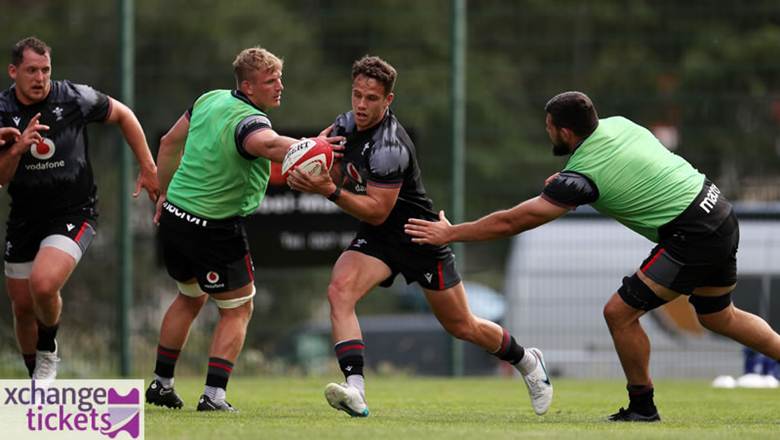
The RWC 2027 dream is very real for them. They want to win the Rugby World Cup trophy. The Rugby World Cup Australia games will be very loud. Everyone wants to see the Welsh team win. Leadership is very important for a young team. Senior players help the new guys stay calm. They talk about the big games they played before.
This builds trust within the entire group. They work as one big unit every day. No one is left behind in this team. They support each other on and off the field. This bond will lead to many great wins. The fans will be very happy soon.
Strategic Depth for the Rugby World Cup Australia
A large squad creates a lot of competition. Every player wants to start the big game. This makes the whole team much stronger. They push each other to be very fast. They remember the heat of England Vs Wales matches. Players think about the power in the Wales Vs Tonga games. They recall the speed of the Wales Vs Zimbabwe teams.
Competition is the best way to improve. Every position has two great players now. The staff tracks every move on the field. Data shows who is the most ready for the Rugby World Cup 2027 challenge. Coaches use this data to pick the best. They want a roster that never gets tired.
The RWC 2027 plan is very clear to all. Winning the Rugby World Cup is the ultimate prize. They look forward to the Rugby World Cup Australia trip. The players stay focused on the main goal. Depth is the secret to a long tournament. Players can get tired after many hard games. Having fresh legs helps the team stay fast.
Fans are preparing for the Rugby World Cup semi-final and the Rugby World Cup Final. Secure Wales Vs Zimbabwe Tickets early and browse Rugby World Cup Australia tickets on Xchangetickets.com. Planning allows you to skip heavy crowds and enjoy important matches with peace of mind.
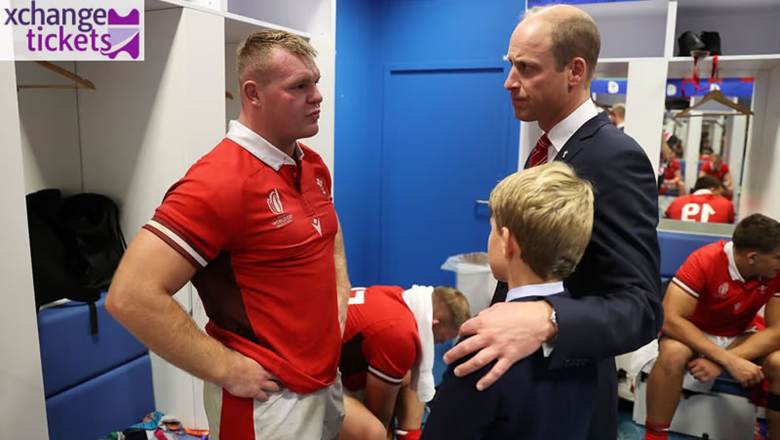
The bench must be just as strong as the starters. This is how you win a gold medal. Every man knows his job very well. They study the playbook until they know it. Precision is the key to high-level sport. Wales is building a very deep team.
Global Tests Before the RWC 2027
International tours are very good for the soul. The team travels to many faraway lands. They play against the best teams in the world. This builds grit and a tough mind. They recall the pressure of England Vs Wales tests. The team prepare for the hits in Wales Vs Tonga. They watch the flair of the Wales Vs Zimbabwe players.
Travelling helps the team grow very close. They learn how to eat and sleep well. The coaching staff loves to test new tactics. These matches are practice for the Rugby World Cup 2027 event. They try new ways to score more points. The players adapt to different types of grass. Their RWC 2027 vision remains very sharp and clear.
They want to lift the Rugby World Cup high. Playing in the Rugby World Cup, the heat in Australia is hard. Experience is the best teacher for young men. Every tour has a very specific goal. Some tours focus on defence and tackling. Others focus on kicking and catching the ball.
The team needs to be good at everything. They work on their weak spots every day. Coaches give feedback after every single game. The players listen and get better each time. This is how champions are made in rugby. Success is a journey for this young squad.
Major fixtures like England Vs Wales Tickets are gaining attention on Xchangetickets.com as the RWC 2027 approaches. Visitors can also search for Rugby World Cup tickets and RWC tickets on Xchangetickets.com. Fresh updates help users discover the best prices now, while demand continues to rise quickly.
Future Success and the Rugby World Cup Final
The roadmap for the team is very exciting. The players feel the weight of the jersey. They know the history of the great game. They want to make their own new history. The players aim to beat the England Vs Wales squad. They will show power like Wales Vs Tonga stars. They will show speed like Wales Vs Zimbabwe athletes.
The future looks very bright for the team. They are ready for the next big step. Wales has a plan that will work well. The entire nation believes in the Rugby World Cup 2027 dream. They put in the work right now. Hard work pays off in the end. The RWC 2027 cycle is almost at the end.

They will enter the Rugby World Cup soon. The Rugby World Cup Australia adventure will be amazing. The players are hungry for a huge victory. They will give their best every single minute. Victory comes to those who wait and work. The squad is now a very tight family. They have the skill to beat any team.
Their hearts are full of fire and hope. They will run until the final whistle blows. The world will watch them play very soon. Wales is ready to take the world stage. They will make their small country very proud. The journey is just beginning for these men.
We offer Rugby World Cup 2027 tickets on Xchangetickets.com for fans eager to enjoy live sports. Match supporters can choose seats through our reliable site. Xchangetickets.com is a trusted place to explore Rugby World Cup Australia tickets. Sign up for updates and be ready to experience the event.
Frequently Asked Questions
Q: Why is Wales picking many young players for the current roster?
The coaching team wants to find new stars and build a fast squad for the future cycle.
Q: How do past matches help Wales prepare for upcoming global tests?
Coaches study styles from Wales Vs Tonga and Wales Vs Zimbabwe to learn how to win today.
Q: Where is the best place to buy Rugby World Cup 2027 Tickets early?
You can buy Rugby World Cup 2027 Tickets in advance on Xchangetickets.com to ensure fast entry.
Q: How can fans safely sell Rugby World Cup 2027 Tickets online?
If you want to sell Rugby World Cup 2027 Tickets, Xchangetickets.com is the right platform for you.
Q: Where can I find Rugby World Cup 2027 Tickets for the matches in Australia?
Xchangetickets.com offers Rugby World Cup 2027 Tickets for supporters eager to enjoy the tournament live.