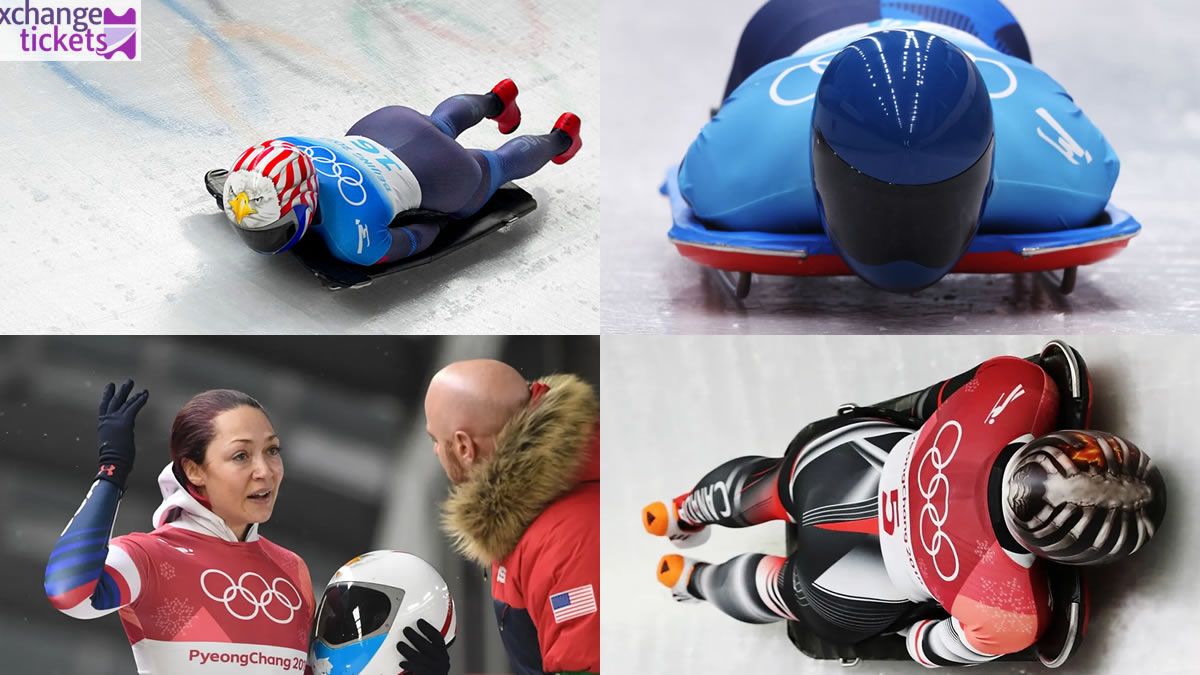
Canada’s skeleton program has been officially cleared of allegations that it manipulated a qualifying race ahead of the Winter Olympic 2026. Following an investigation by the International Bobsleigh & Skeleton Federation (IBSF). The controversy emerged after a World Cup event in Lake Placid, New York. Which carried qualification points for the upcoming Games in Milano Cortina.
Milano Cortina 2026 fans are gearing up to witness events across Milano and Cortina. Those eager to experience the action live should buy Winter Olympic 2026 Tickets early to secure their spots. Visitors can also check Milano Cortina 2026 ticket availability at their favorite venues as demand continues to grow.
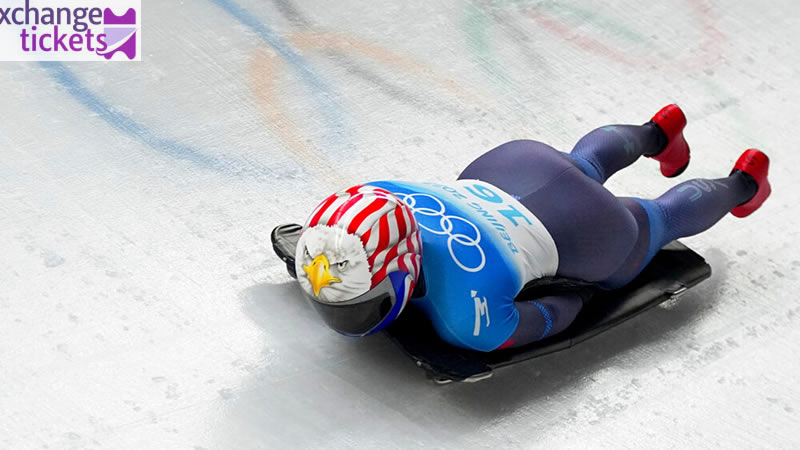
The issue centered on claims from a United States athlete who argued that Canada’s actions reduced her chances of qualifying. The case quickly gained attention across the winter sports community because of its timing, with the Winter Olympic fast approaching.
After reviewing the facts, the sport’s governing body concluded that Canada acted within the rules. This decision has provided clarity for athletes and officials as preparations continue for the Winter Olympic 2026. While also raising wider questions about qualification systems and athlete welfare in elite winter sports.
Allegations Raised by a Veteran US Athlete
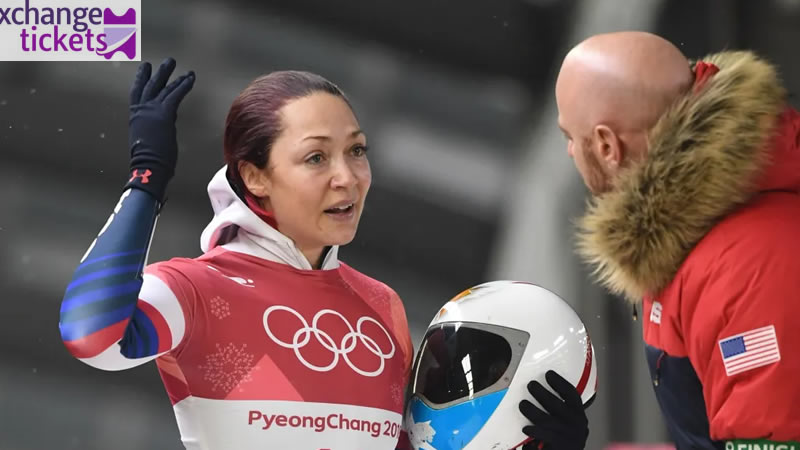
The allegations were brought forward by Katie Uhlaender. A highly experienced American skeleton athlete and five-time Olympian. She claimed that the Canadian team deliberately withdrew four of its six athletes from the Lake Placid race. According to Uhlaender, this decision reduced the overall field and, as a result, limited the number of ranking points available.
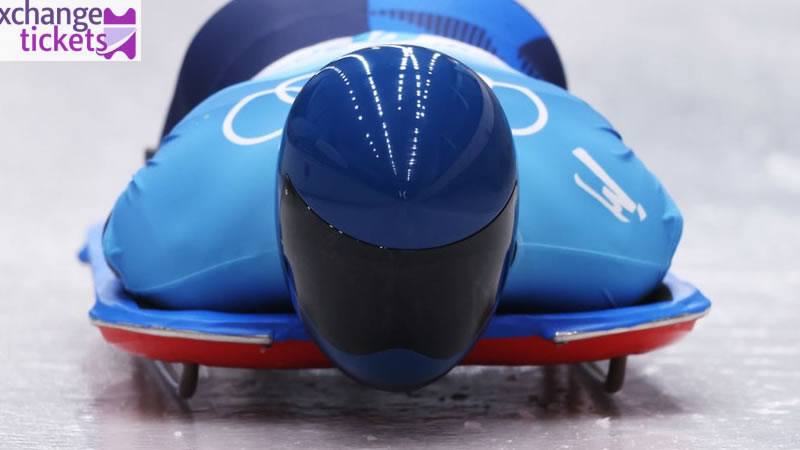
Uhlaender won the race but still failed to secure automatic qualification for the Winter Olympic 2026, a result she described as deeply frustrating. She suggested that the withdrawals were designed to make it harder for non-Canadian athletes to collect the points required for Olympic selection.
The athlete also stated that she believed the decision was intentional rather than coincidental. At 41 years old, Uhlaender has indicated that the Winter Olympics 2026 is likely to be her final appearance on the Olympic stage. Despite winning a world championship title in 2012
She has narrowly missed out on Olympic medals in the past, most notably finishing fourth at the 2014 Games. This history added emotional weight to her claims and drew significant public attention, especially as fans prepare to follow the action closely and show growing interest in Winter Olympic Opening Ceremony Tickets ahead of the Games.
IBSF Investigation and Official Ruling
In response to the accusations, the IBSF launched an investigation through its Interim Integrity Unit. The governing body examined whether the withdrawals breached any competition rules, ethical standards, or codes of conduct.
After completing its review, the IBSF announced that it would not pursue any action against Canada.In its official statement, the IBSF explained that existing regulations allow national federations to withdraw athletes from competitions at any time.
This ruling confirmed that Canada’s actions were permitted under the current framework governing qualification events for the Winter Olympic 2026. While the decision closed the case from a regulatory standpoint, it did not fully ease concerns among some rival nations.
Coaches from the United States, Denmark, Israel, and Malta had expressed unease about how the withdrawals affected their athletes. Nevertheless, the IBSF emphasized that adherence to the rules remains the primary standard when evaluating such disputes, even as some fans and stakeholders look to Sell Winter Olympic Tickets or manage their plans amid the heightened attention around the event.
Canada’s Defense and Athlete Welfare Focus
Bobsleigh Canada Skeleton strongly defended its decision to withdraw athletes from the Lake Placid event. The organization stated that several athletes had already competed multiple times during the same week and required rest to manage fatigue and reduce injury risk.
According to the federation, the choice was based on athlete welfare rather than competitive advantage. Canadian officials described the decision as transparent, appropriate, and aligned with the integrity of the sport. They also noted that managing athlete workload is increasingly important as teams prepare for demanding seasons leading into the Winter Olympic 2026.
With travel, training, and competition schedules becoming more intense, rest. This explanation was accepted by the IBSF, which reinforced the idea that national teams are responsible for making decisions in the best interests of their athletes.
The case has highlighted the balance federations must strike between competitive strategy and health considerations as the Winter Olympic 2026 approaches, with growing interest in the sport also reflected by fans seeking Olympic Skeleton Tickets to follow the drama and competition live.
Wider Context and Impact on Olympic Build-Up
The incident occurred during a period of heightened sporting rivalry between Canada and the United States across several disciplines. While the skeleton controversy remained within the boundaries of official sport governance. It unfolded against a backdrop of broader tensions in international sport and politics.
Her situation underscores the fine margins involved in Olympic qualification, where a single event can significantly influence an athlete’s career trajectory.
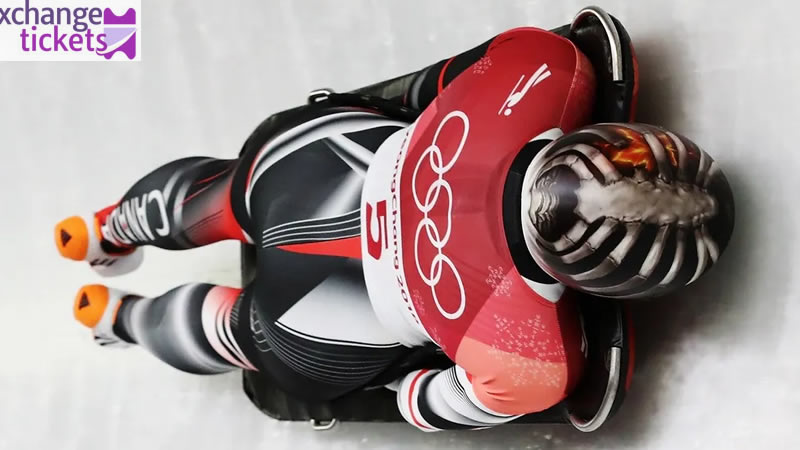
As teams finalize preparations for the Winter Olympic 2026, governing bodies may face increased pressure to ensure transparency and fairness while maintaining flexibility for athlete welfare.
Ultimately, the IBSF’s decision allows the focus to return to competition rather than controversy. With qualification races nearing their conclusion, athletes and fans alike are now turning their attention toward Milano Cortina, where the world’s best skeleton competitors will aim to perform on the sport’s biggest stage at the Winter Olympic 2026.
We are offering Winter Olympic Tickets! Winter sports enthusiasts can get Milano Cortina 2026 Tickets through our trusted online ticketing marketplace. Xchangetickets.com is the most reliable source for booking the Winter Olympic 2026 tickets. Sign up for the latest ticket alerts and don’t miss out on the chance to be at the heart of Olympic history.
Frequently Asked Questions (FAQs)
Q1: Where can I buy Winter Olympic 2026 tickets?
A: Fans can purchase Winter Olympic 2026 tickets through trusted platforms like Xchangetickets.com, which offers secure access to events across Milano and Cortina.
Q2: Is Xchangetickets.com a reliable marketplace for Winter Olympic tickets?
A: Yes. Xchangetickets.com is a trusted online ticketing marketplace connecting buyers and sellers, with verified listings and secure transactions.
Q3: Can I sell my Winter Olympic 2026 tickets if I cannot attend?
A: Yes. Xchangetickets.com allows users to safely list and sell Winter Olympic 2026 tickets if plans change.
Q4: When should I buy Winter Olympic 2026 tickets?
A: It is recommended to buy tickets as early as possible. High-demand events can sell out quickly, especially for popular competitions like skeleton or the Winter Olympic Opening Ceremony.
Q5: Can I receive alerts for Winter Olympic ticket availability?
A: Yes. By signing up on Xchangetickets.com, fans can get ticket alerts and updates for all Winter Olympic 2026 events.
Leave a Reply